

Da Lat City
Da Lat is a striking departure from the typical tropical imagery of Vietnam. Perched 1,500 meters above sea level on the Lang Biang Plateau in the Central Highlands, this unique city trades humid coastal plains and bustling rice paddies for dense pine forests, mist-shrouded valleys, and a year-round cool, alpine climate.
Originally developed by the French in the early 20th century as a hill station resort to escape the stifling heat of Saigon, Da Lat evolved into a charming European-style enclave. Today, it is affectionately known as the “City of Eternal Spring,” celebrated for its rich agricultural landscape, French colonial architectural heritage, and misty, romantic atmospheres.
The Alpine Core: Central Landmarks
The geography of Da Lat centers around peaceful lakes and a rolling urban landscape dotted with historic villas.
- Xuan Huong Lake
Serving as the geographical and social heart of the city, this man-made, crescent-shaped lake is flanked by pine trees, manicured flower gardens, and open-air cafes. It provides a peaceful focal point for early morning jogs, leisurely bike rides, or scenic swan-boat paddles under the crisp highland air.
- The French Quarter & Bao Dai’s Summer Palaces
Dotted across the hillsides are over 1,500 preserved French colonial villas. Among the most historically significant are the three summer palaces belonging to Bao Dai, the last emperor of Vietnam. Palace III, constructed in the 1930s, stands as an immaculate Art Deco time capsule, offering an authentic look into the private imperial family rooms, office spaces, and manicured European royal gardens.
- 3. Da Lat Railway Station
Built between 1932 and 1938 by French architects Moncet and Reveron, this stunning terminal seamlessly blends art deco elements with the high, pointed roof contours of a traditional Central Highlands communal house (Nhà Rông). While the main line is long defunct, visitors can still board a charming, vintage steam train for a scenic 7-kilometer heritage ride to the nearby village of Trai Mat.
Architectural Eccentricity: The Crazy House
In sharp contrast to the symmetry of French colonial design stands the Hang Nga Guesthouse, globally known as the “Crazy House.”
Designed by Vietnamese architect Dang Viet Nga, the structure is an expressionist masterpiece resembling a massive, decaying banyan tree. With non-linear shapes, winding cave-like stairwells, organic design lines, and themed animal bedrooms, it stands as an architectural tribute to the raw fluid forces of nature, drawing comparisons to the surrealist works of Antoni Gaudí.
The Garden of Vietnam: Agriculture & Cuisine
Culinary & Agricultural Identity | What Makes It Unique |
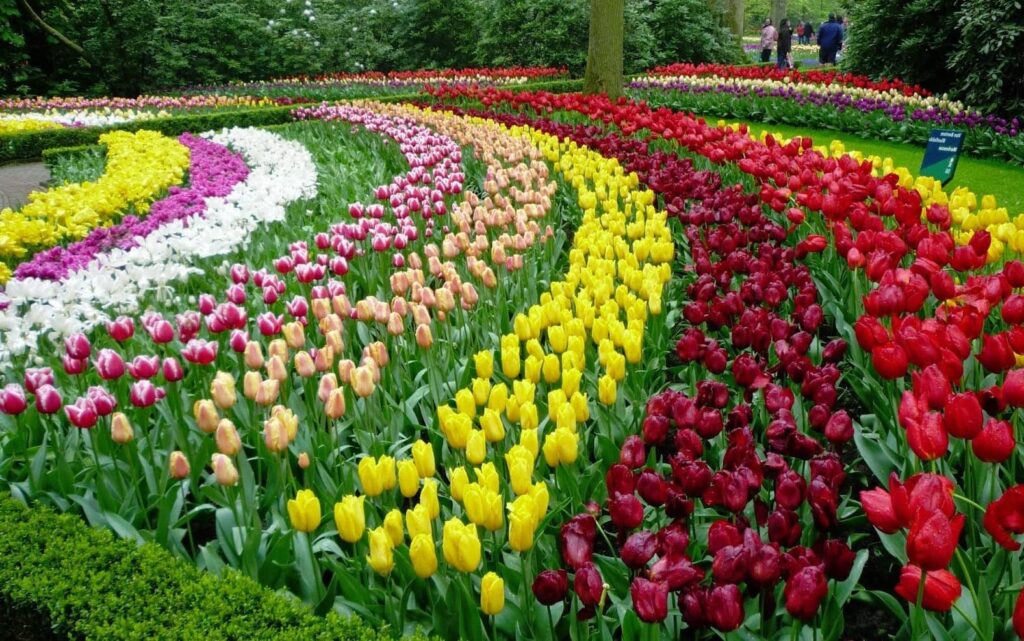
Highland Produce & Floriculture | Thanks to its rich volcanic soil and continuous cool climate, Da Lat is the primary agricultural exporter of Vietnam. It is world-renowned for its vast fields of hydrangeas, premium Arabica coffee, fresh strawberries, and temperate vegetables that cannot grow anywhere else in the country. |
Bánh Căn Da Lat | A quintessential local breakfast comfort food. These small, crispy rice-flour pancakes are cooked in specialized earthenware molds, topped with quail eggs or minced pork, and served hot alongside a savory scallion fish-sauce broth packed with tiny pork meatballs (Xíu Mại). |
Bánh Tráng Nướng (“Vietnamese Pizza”) | As twilight falls, the central Da Lat Market transforms into a street food hub. This iconic snack features a crisp sheet of rice paper grilled over open charcoal, topped with butter, green onions, quail eggs, dried shrimp, and sweet chili sauce perfect for the chilly highland nights. |