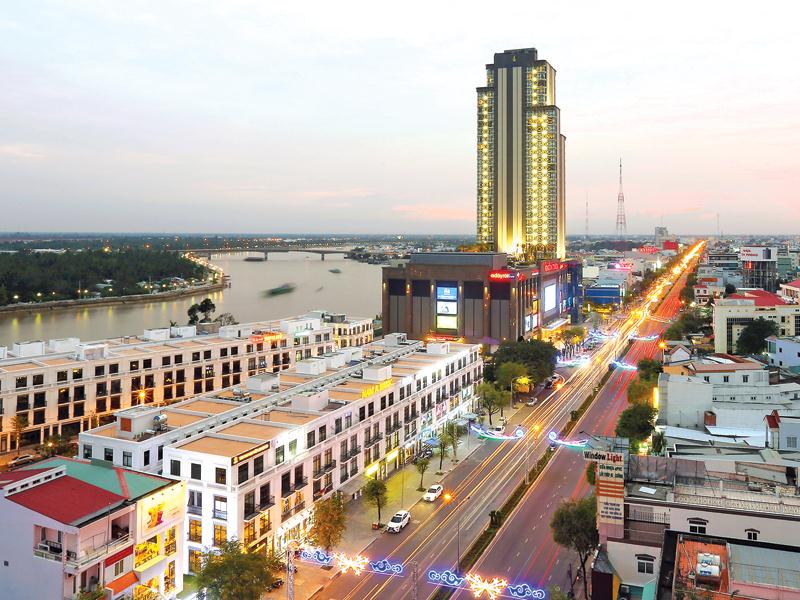


Can Tho City
Can Tho city, the fourth-largest city in Vietnam and the economic heart of the Mekong Delta, serves as the primary political, commercial, cultural, and logistical epicenter of the southern delta region. Known colloquially as the “Western Capital” (Tây Đô), the city is positioned on the southern bank of the Hậu River (a major distributary of the Mekong) and acts as the ultimate hub for regional trade, agricultural processing, and specialized deltaic tourism.
- Geopolitical and Strategic Importance
From a destination and logistics management perspective, Can Tho holds a vital strategic location:
- Logistical Nexus: It serves as the gateway to the lower Mekong basin, directly connecting Vietnam’s southern provinces with Ho Chi Minh City and providing maritime and riverine corridors into neighboring Cambodia.
- Infrastructure Anchor: The city is supported by international-grade infrastructure, including the Can Tho International Airport, the landmark Can Tho Bridge (one of the longest cable-stayed spans in Southeast Asia), and a highly developed network of deep-water river ports.
- Agricultural Core: It stands at the center of Vietnam’s primary rice, aquaculture, and tropical fruit production zones, making it an essential hub for food security and international export supply chains.
- Key Tourism & Heritage Landmarks
Can Tho features highly specialized attractions that showcase the distinct riverine lifestyle, colonial history, and unique architecture of the Mekong Delta.
Cai Rang Floating Market
This iconic wholesale water market represents the peak of deltaic maritime commerce.
- Reviewers emphasize that it operates at its highest activity levels between 5:30 AM and 7:30 AM, making early morning departures essential for itineraries.
- The market is characterized by large traditional wooden vessels distributing regional produce, where vendors hang samples of their goods (such as pineapples, pumpkins, or sweet potatoes) on long bamboo poles (cây bẹo) to signal their inventory to smaller buyers.
- It functions as a dynamic cultural experience where visitors can sample authentic local dishes, like hủ tiếu (noodle soup), prepared and served directly from mobile kitchen sampans.
Ninh Kieu Wharf
Situated at the intersection of the Hậu and Cần Thơ rivers, this central park and promenade serves as the city’s primary urban waterfront anchor.
- The area features extensive flower gardens, pedestrian boardwalks, and a striking, modern footbridge illuminated at night.
- It functions as the primary embarkation point for high-volume river cruises, dinner boats, and small sampans servicing local waterways.
- The surrounding precinct is highly developed with modern dining venues, local street food markets, and premium business hotels.
Binh Thuy ancient house
Built in 1870 by the Duong family, this remarkably preserved estate represents a rare and sophisticated blend of East Asian and Western architectural styles.
- The external facade displays classic French colonial architecture, featuring symmetrical grand staircases, Roman-style columns, and imported French floor tiles.
- The interior maintains a traditional Vietnamese three-compartment layout, enriched with intricate Chinese wood carvings, ancestral altars, and rare antique furnishings.
- The property serves as a prominent cultural heritage site and a high-value stop for historical and architecture-focused tour groups.
- Climate Patterns and Seasonal Planning
Can Tho experiences a tropical monsoon climate characterized by two distinct seasons, requiring specific strategic planning for regional tour itineraries:
- The Dry Season (December to April): This window offers the most predictable weather conditions for travel programs. Temperatures are warm, and low rainfall levels facilitate seamless boat transfers, cycling tours along rural canals, and outdoor activities. This period coincides with the main tropical fruit harvests.
- The Rainy/Flooding Season (May to November): Marked by frequent afternoon monsoonal downpours. However, from September to November, the region experiences the “Floating Water Season” (mùa nước nổi), where the rising Mekong waters flood the low-lying plains. This season offers unique, high-value visual opportunities for photography and eco-tourism as wetlands and bird sanctuaries fill with vibrant aquatic life.
- Destination Integration
Can Tho serves as the ideal foundational base or midpoint for multi-day Mekong Delta itineraries. Its premium hospitality infrastructure ranging from boutique eco-resorts hidden in rural orchards to upscale five-star business hotels allows it to comfortably support high-yield leisure groups, international independent travelers, and MICE programs. A typical regional itinerary utilizes Can Tho as a gateway to explore neighboring provinces like Hậu Giang, Sóc Trăng, or An Giang, or as a luxurious stopover on overland transit routes running between Moc Bai, Ho Chi Minh City, and the southern coastal ports.