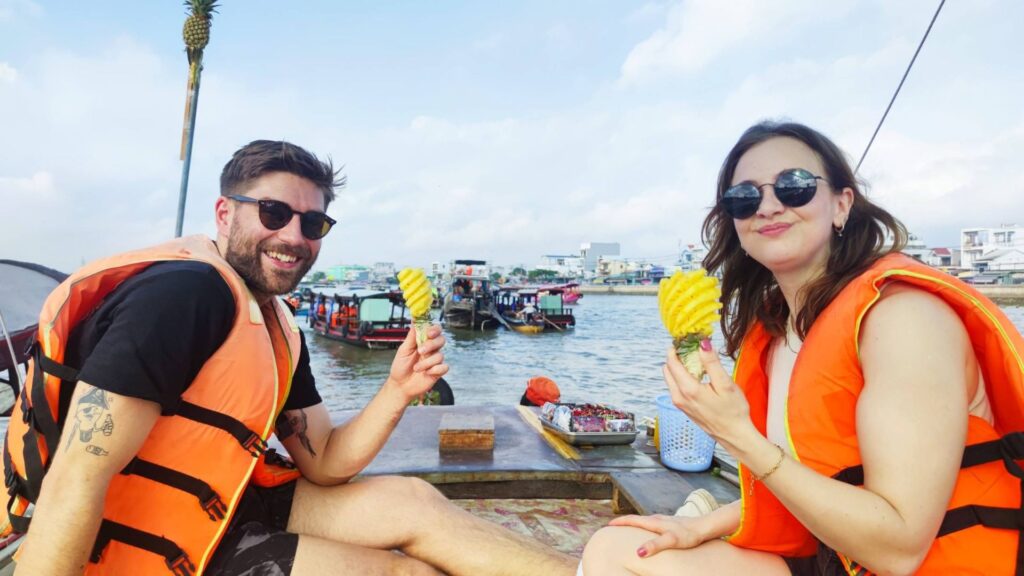


The Mekong Delta
The Mekong Delta is a highly complex, logistically nuanced region where cultural immersion, history, and natural ecosystems tightly intertwine. For travel professionals designing regional itineraries, understanding the distinct identities of the Delta’s “hot spots” is crucial. Rather than viewing the region as a single, uniform day-trip destination, it is best analyzed as a collection of specialized sub-hubs, each offering different operational advantages, seasonal peaks, and cultural landscapes.
The primary tourism hotspots of the Mekong Delta are detailed below from a professional operator’s perspective.
- Can Tho: The Administrative and Logistic Epicenter
As the largest city in the region, Can Tho serves as the operational anchor for multi-day itineraries. It provides the highest concentration of premium four- and five-star accommodations, international-standard dining, and reliable evening entertainment along the Ninh Kieu Harbor.
Key Sights & High-Value Experiences
- Cai Rang Floating Market: This is the largest and most commercially active floating market in the Delta. For high-satisfaction guest management, boats must depart Ninh Kieu Wharf by 5:30 AM to 6:00 AM to capture the height of wholesale trading before the heat and standard day-trip traffic peak. A key cultural element to highlight to clients is the long bamboo advertising poles used by vendors to hang sample product, signaling their inventory across the water.
- Binh Thuy Ancient House: Located 6.5 kilometers from the city center, this 1870-built residence is an architectural masterpiece showcasing a rare blend of French neoclassicism and traditional Southern Vietnamese Feng Shui. It serves as a strong cultural asset for clients interested in colonial history, photography, and literature, having famously served as a primary filming location for Jean-Jacques Annaud’s film The Lover.
- Ben Tre: The “Coconut Kingdom” & Eco-Tourism Anchor
For itineraries seeking a tranquil, less-commercialized alternative to the busy waterways of My Tho, Ben Tre is the premier choice. Shaded by dense canopies of water coconuts, its topography is ideal for immersive, soft-adventure programming.
Key Sights & High-Value Experiences
- Nipa Palm Canal Navigation: Ben Tre excels at traditional, non-motorized sampan (rowing boat) excursions through narrow, shaded tributaries. The visual framing of olive-hued waters beneath towering palm arches offers the classic, serene imagery travelers expect from the region.
- Artisanal & Agrarian Workshops: The local economy revolves around coconut processing. Itineraries can easily integrate stops at traditional brick kilns, hand-woven mat workshops, and natural coconut candy factories, allowing guests to witness sustainable, small-scale manufacturing firsthand.
- An Giang (Chau Doc): The Cultural Crossroads & Border Hub
Situated on the Cambodian border, An Giang is characterized by its dramatic landscapes and a unique cultural synthesis of Kinh, Khmer, Cham, and Chinese ethnic communities. It is a critical hub for overland and riverine transit lines connecting Southern Vietnam to Phnom Penh.
Key Sights & High-Value Experiences
- Tra su Cajuput Forest: Located near Chau Doc, this 850-hectare eco-reserve features a flooded forest ecosystem. During the peak floating season, the water’s surface becomes entirely carpeted in a thick layer of bright green duckweed, creating a striking visual corridor as paddlers navigate through the submerged cajuput trees. It is highly recommended for birdwatching and nature photography.
- Chau Doc Floating Villages & Cham Culture: The local river ways host extensive floating aquaculture networks specializing in iridescent Catfish farming. Nearby, historic Cham Muslim villages feature traditional stilt-house architecture and intricate, hand-loomed brocade weaving workshops.